Dom Quixote: Life Lessons from Cervantes' Chivalrous Masterpiece
In the vast panorama of world literature, few characters resonate as profoundly and enduringly as Dom Quixote de la Mancha. A creation of the brilliant Miguel de Cervantes, this chivalrous masterpiece transcends its satirical origins to offer a timeless reflection on the human condition. More than just a tale of windmills mistaken for giants, El ingenioso Hidalgo Don Quijote de la Mancha (translated into Portuguese as O engenhoso fidalgo D. Quixote de la Mancha by Conde de Azevedo and António Feliciano de Castilho, and often presented in an "abrasileirada" orthography by digital projects like eBooksBrasil.org) is a vibrant tapestry of idealism, reality, and the enduring quest for meaning. As we delve into the world of Dom Quixote, we uncover universal truths and practical life lessons that remain strikingly relevant centuries after its first publication.
The Genesis of a Legend: Miguel de Cervantes and His Immortal Creation
The story of Dom Quixote begins with its remarkable Dom Quixote Autor, Miguel de Cervantes Saavedra (1547-1616). A soldier, captive, and tax collector, Cervantes brought a wealth of life experience to his writing. The first part of his seminal work was published in 1605, introducing the world to the eccentric hidalgo Alonso Quijano, who, after reading too many chivalric romances, decides to become a knight-errant named Dom Quixote. The immediate success of the novel was unprecedented, leading to a surge of unauthorized continuations and imitations that, as the references note, deeply bothered Cervantes. This annoyance became the catalyst for the second part of the novel, published in 1615, a decade after the first.
In this second installment, Cervantes not only continued the adventures but also took a meta-fictional turn, addressing the unauthorized sequels directly within his narrative. Crucially, the Dom Quixote Autor made a bold and definitive decision: he killed off his beloved character. As the references highlight, this was a deliberate move to ensure that Dom Quixote would never again be exploited by other authors. This act secured the integrity and legacy of his creation, cementing Dom Quixote as uniquely Cervantes' own. It's a testament to the author's profound connection to his work and his desire to control its ultimate destiny, a fascinating insight into the mind of the Dom Quixote Autor.
The Knight of La Mancha: A Journey into Idealism vs. Reality
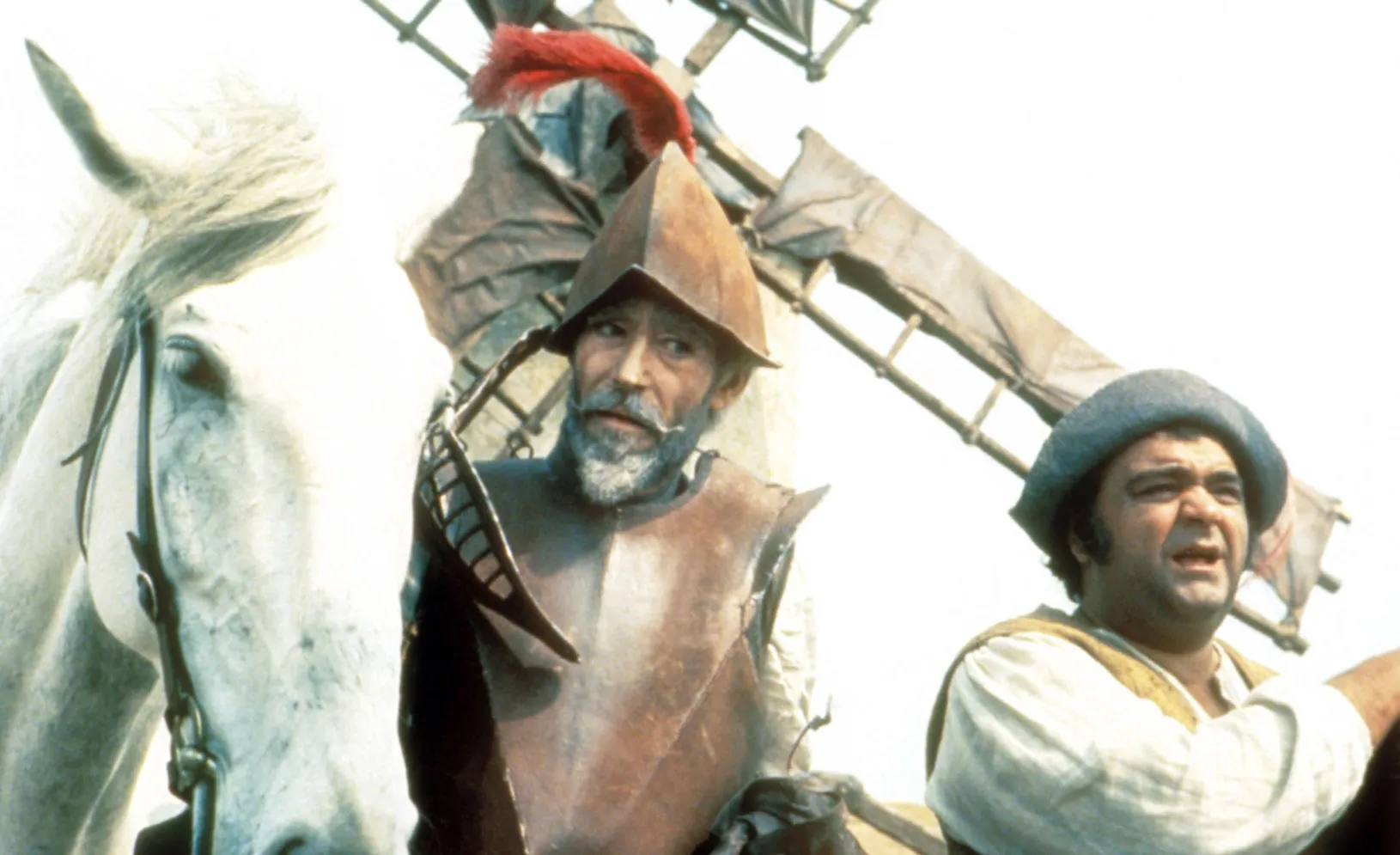
At the heart of Cervantes’ narrative is Dom Quixote himself—a man in his fifties, described as "half poor," whose mind becomes so enraptured by chivalric tales that he loses touch with reality. He transforms his humble existence into an epic quest, donning an old suit of armor inherited from his great-grandfather, renaming his decrepit horse Rocinante, and setting forth to right wrongs and defend the innocent. He leaves behind his practical niece and housekeeper, embarking on a secret journey fueled entirely by his fervent imagination.
His adventures are defined by his profound misinterpretations of the world around him: windmills become fearsome giants, inns become castles, and peasant girls are transformed into noble ladies (Dulcinea del Toboso, his idealized love). This fundamental tension between his noble ideals and harsh reality forms the core of the book's comedic and tragic elements. Yet, it also provides fertile ground for introspection. Is Quixote truly mad, or is he merely choosing to perceive a more meaningful, albeit fantastical, version of reality?
No knight-errant is complete without an squire, and Quixote, driven by his self-imposed chivalric code, recruits the humble, short peasant Sancho Panza. Sancho, a man of simple stature and practical concerns, is lured by Quixote's promise of governing an island—a stark illustration of how idealism, even if misguided, can inspire hope and loyalty. Together, the duo embarks on a series of adventures through forests and plains, experiencing fascinating stories that, while often leading to comical mishaps and painful injuries, never fully deter Quixote's spirit.
Unpacking the Enduring Life Lessons from Dom Quixote
While often read as a satire, Miguel de Cervantes' Dom Quixote is, as the reference context aptly states, "a reflection of life as it is." It's a profound "romance of life" that offers invaluable insights:
- The Power of Idealism and Imagination: Dom Quixote teaches us the incredible power of a vivid imagination and unwavering idealism. Despite the ridicule and physical pain, his belief in a nobler world gives his life profound purpose.
- Practical Tip: Don't be afraid to dream big or to see the potential for good where others see only flaws. While grounding ideals in reality is important, a touch of "Quixotic" optimism can fuel passion and drive.
- Perseverance in the Face of Adversity: Quixote repeatedly fails, suffers defeat, and is often left bruised and battered. Yet, he always rises, ready for the next challenge. His resilience is a powerful testament to the human spirit's capacity to endure.
- Practical Tip: Embrace failure as a learning opportunity. True strength lies not in avoiding setbacks, but in how quickly you recover and continue your journey.
- The Importance of Companionship: The dynamic between Quixote and Sancho Panza is a masterclass in friendship. They are foils—the idealist and the pragmatist—yet they grow to genuinely care for and influence each other. Sancho becomes a little more quixotic, and Quixote, at times, gains a glimmer of Sancho's common sense.
- Practical Tip: Cherish diverse friendships. People with different perspectives can challenge your views, provide balance, and enrich your life in unexpected ways.
- Defining Your Own Reality: While Quixote's detachment from reality is extreme, his story prompts us to consider how much of our perception is subjective. He chooses to live a grander narrative, even if it exists primarily in his mind.
- Practical Tip: Take agency over your personal narrative. You can choose to focus on challenges or opportunities, and your perspective can profoundly shape your experience of the world.
- The Noble Pursuit of Helping Others: Quixote's core motivation is to defend the helpless and right wrongs. Even when his interventions lead to chaotic outcomes, his heart is always in the right place. For example, his attempt to free the galley slaves, while perhaps ill-advised and leading to repercussions, stemmed from a genuine desire for justice.
- Practical Tip: Cultivate empathy and a desire to contribute positively to the world. While you may not be a knight, acts of kindness and advocacy can make a tangible difference.
The Enduring Legacy of Dom Quixote Autor's Masterpiece
The impact of Miguel de Cervantes' work is immeasurable. It's often cited as the first modern novel and has influenced countless writers, artists, and thinkers. The term "quixotic" has entered common parlance, describing someone who is foolishly idealistic or extravagantly romantic—a testament to the character's indelible mark on our collective consciousness. The wisdom of Dom Quixote Autor truly shines through.
The decision by the Dom Quixote Autor to kill his famous character, effectively ending any further imitations, speaks volumes about the value of artistic integrity. It ensured that the lessons, the laughter, and the pathos of Dom Quixote would forever be associated with Cervantes' singular vision. The book's depth allows it to be reinterpreted across generations, remaining fresh and relevant. Whether viewed as a comedy, a tragedy, or a philosophical treatise, its power to provoke thought and inspire reflection is undeniable.
In conclusion, Dom Quixote is far more than a historical literary artifact. It is a vibrant, living story that encourages us to look beyond the mundane, to embrace our ideals, and to find purpose in a world that often seems indifferent. Miguel de Cervantes, the ingenious Dom Quixote Autor, gifted humanity a mirror in which we can see our own struggles, dreams, and the enduring quest to live a life imbued with meaning. His chivalrous masterpiece reminds us that even in our imperfections and follies, there is a profound nobility in striving for a better, more imaginative world.