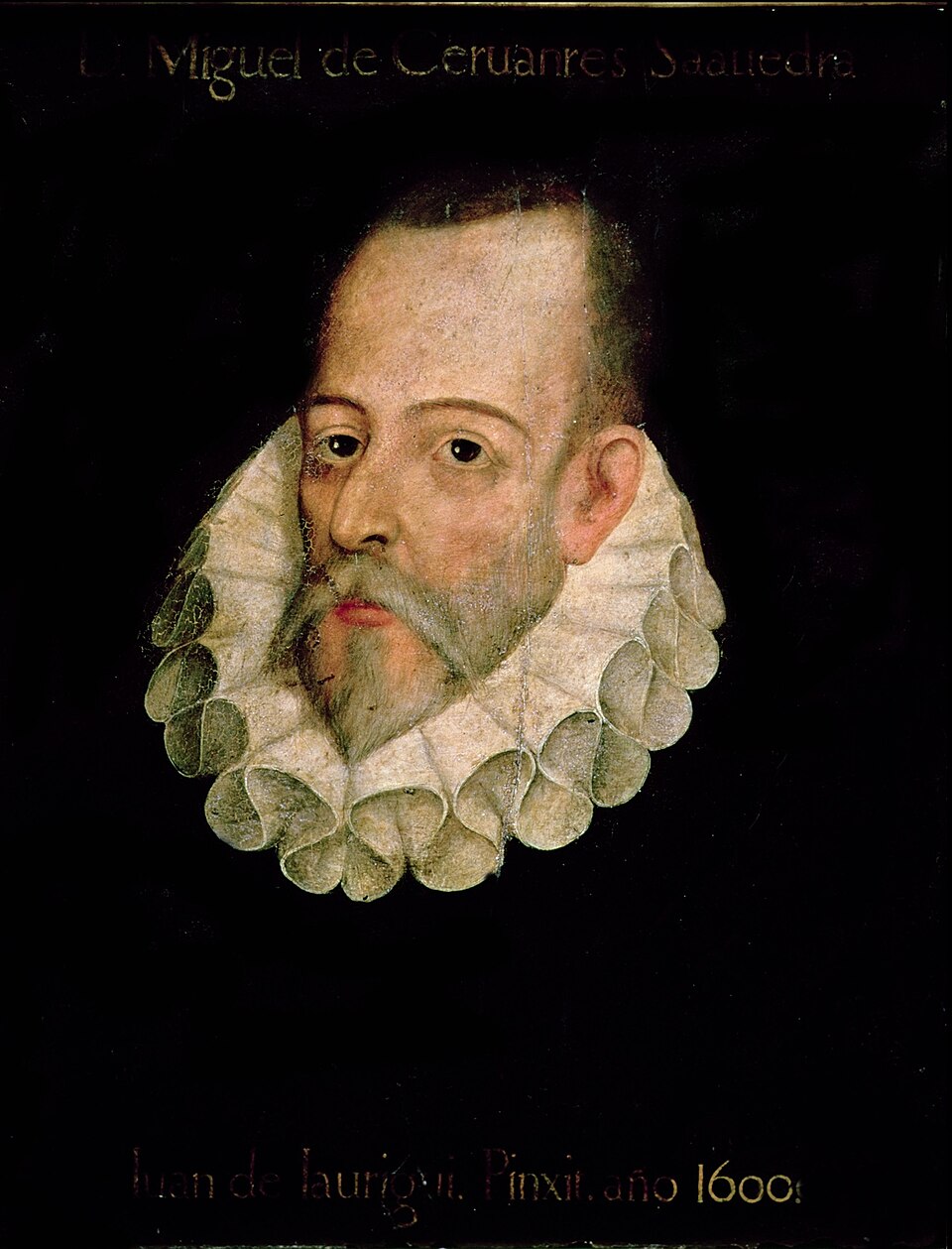
Miguel de Cervantes: The Genius Behind Dom Quixote's Timeless Tales
When we speak of literary giants whose works have transcended centuries and cultures, one name invariably rises to the forefront: Miguel de Cervantes Saavedra. Often hailed as the father of the modern novel, Cervantes is the undeniable *Dom Quixote Autor*, the visionary mind that brought to life the unforgettable knight-errant of La Mancha. His masterpiece, *El ingenioso Hidalgo Don Quijote de la Mancha*, is not merely a story but a profound exploration of human nature, idealism, and the blurred lines between reality and imagination. This article delves into the genius of Cervantes, uncovering the motivations and creative brilliance that cemented his legacy as the definitive creator of one of literature's most beloved figures.
The Visionary Behind the Knight: Who Was Miguel de Cervantes?
Miguel de Cervantes Saavedra, born in Alcalá de Henares, Spain, in 1547, lived a life almost as adventurous and dramatic as those he penned. His personal history is rich with experiences that undoubtedly shaped his unique narrative voice and worldview. From serving as a soldier and being wounded in the Battle of Lepanto to enduring five years of captivity by Barbary pirates in Algiers, Cervantes faced hardship and embraced a varied existence. These formative years, filled with both heroism and suffering, offered him an unparalleled insight into the human condition, the complexities of society, and the enduring power of dreams – themes that would later resonate so powerfully in his magnum opus.
By the time he embarked on writing *Don Quixote*, Cervantes had a deep well of life experience to draw upon. He was not merely an observer but a participant in the grand tapestry of life, making him the perfect *Dom Quixote Autor* capable of infusing his characters with genuine emotion, profound philosophical musings, and a healthy dose of wry humor. His literary output included plays, poetry, and other prose, but it was his ingenious gentleman from La Mancha that would secure his immortal place in the literary canon.
Crafting a Masterpiece: The Genesis of *Don Quixote*
The first part of *El ingenioso Hidalgo Don Quijote de la Mancha* was published in 1605, instantly captivating readers across Spain and soon, the world. At its heart lies the tale of Alonso Quijano, a nobleman in his fifties who, after devouring countless chivalric romance novels, loses his grip on reality. Convinced he is a knight-errant destined to right wrongs and defend the innocent, he renames himself Don Quixote de La Mancha. Clad in a rusty old suit of armor inherited from his great-grandfather and mounted on his equally decrepit steed, Rocinante, Don Quixote embarks on a series of "adventures."
Cervantes masterfully portrays Don Quixote's delusions, where windmills become fearsome giants, flocks of sheep transform into armies, and inns are mistaken for enchanted castles. He sees the world not as it is, but as he wishes it to be, filtered through the glorious, if antiquated, lens of chivalry. This profound disconnect between idealism and reality forms the comedic and tragic core of the novel, allowing Cervantes to playfully critique the popular, yet often nonsensical, chivalric tales of his era.
A pivotal character in this odyssey is Sancho Panza, a humble, short peasant whom Don Quixote persuades to become his squire. Lured by the promise of becoming the governor of an island – a ludicrous proposition that speaks volumes about Don Quixote's conviction and Sancho's pragmatic hopes – Sancho becomes the grounding force to Don Quixote’s soaring imagination. Their dynamic, a brilliant interplay between the idealist and the realist, provides much of the novel’s humor and philosophical depth. As the original *Dom Quixote Autor*, Cervantes understood the power of contrasting perspectives, making their journey not just a series of misadventures but a profound commentary on human aspiration and folly.
A Battle Against Imitation: The Second Part and a Hero's End
The immense popularity of *Don Quixote* following its 1605 publication led to an unforeseen complication: unauthorized continuations. Around 1614, a fraudulent second part appeared, penned by an anonymous author (using the pseudonym "Avellaneda"). This literary theft deeply angered Cervantes, who felt his creation had been usurped and its integrity compromised. His response was both swift and decisive, demonstrating his fierce proprietary pride as the true *Dom Quixote Autor*.
In 1615, ten years after the first part, Cervantes published his official second part of *Don Quixote*. This continuation is a literary marvel in itself, not only for its narrative brilliance but for how Cervantes cleverly incorporates the existence of the fraudulent sequel into his own story. In a meta-fictional twist, Don Quixote and Sancho Panza encounter characters who have read the first part of their adventures and are aware of Avellaneda’s false continuation. This allows Cervantes to directly address and denounce the impostor, reaffirming his sole authorship.
Perhaps the most daring move of all, and a testament to Cervantes' ultimate control over his creation, was his decision to kill off his beloved protagonist at the end of the second part. After enduring countless trials, Don Quixote finally regains his sanity on his deathbed, renouncing his chivalric fantasies. This poignant ending ensures that the character of Don Quixote could never again be resurrected or exploited by another writer. It was a bold, almost defiant act, securing Cervantes' place not just as the *Dom Quixote Autor*, but as the sole, undisputed master of his iconic hero. This move highlights Cervantes' profound connection to his work and his determination to protect its legacy, a fascinating decision explored further in
Cervantes' Bold Move: Why Dom Quixote's Author Killed His Hero.
Beyond the Laughter: Timeless Lessons and Enduring Legacy
While *Don Quixote* is celebrated for its humor and adventure, its enduring power lies in its profound insights into the human spirit. The novel transcends its comedic elements to offer a rich tapestry of life lessons that remain relevant centuries later. Through the adventures of Don Quixote and Sancho Panza, Cervantes explores the eternal conflict between idealism and pragmatism, the nature of heroism, and the importance of pursuing one's ideals, even when faced with a harsh reality.
For instance, Don Quixote’s unwavering desire to help those in distress, such as his misguided attempt to free a group of unjustly imprisoned recluses, even if his methods are flawed, speaks to an inherent human need for purpose and justice. His madness, ironically, allows him to see a world capable of wonder and nobility, often missing by those grounded in cold reality. Sancho, initially driven by material promises, gradually develops a deep loyalty and affection for his master, learning to appreciate the value of imagination and kindness. This evolution makes their bond a powerful symbol of enduring friendship and mutual influence.
The novel encourages us to reflect on our own lives: What are our windmills? What ideals do we pursue, and at what cost? How do we balance our dreams with the realities of the world? These are the fundamental questions that Cervantes, as the *Dom Quixote Autor*, masterfully weaves into his narrative, making it a mirror reflecting the complexities of human existence. The profound wisdom embedded within their journey offers a treasure trove of insights, which are further elaborated upon in
Dom Quixote: Life Lessons from Cervantes' Chivalrous Masterpiece.
In essence, Cervantes’ *Don Quixote* is more than just a satirical novel about a delusional knight. It is a celebration of imagination, a poignant commentary on the human condition, and a timeless exploration of the pursuit of dreams.
Conclusion
Miguel de Cervantes, the definitive *Dom Quixote Autor*, bequeathed to the world a literary treasure that continues to captivate, challenge, and inspire. His novel did not just entertain; it inaugurated an entirely new genre, influencing countless writers and shaping the very concept of the modern novel. Through the adventures of Don Quixote and Sancho Panza, Cervantes explored themes of idealism, madness, reality, and the unbreakable bond of human connection, all wrapped in a narrative rich with humor, pathos, and profound wisdom. His genius lies not only in creating such memorable characters but in crafting a story that remains as vibrant and relevant today as it was over 400 years ago. The enduring legacy of Miguel de Cervantes is a testament to the power of a single author's vision to shape the cultural and literary landscape for generations to come.